Exploring the Basics of Hedge Trimming
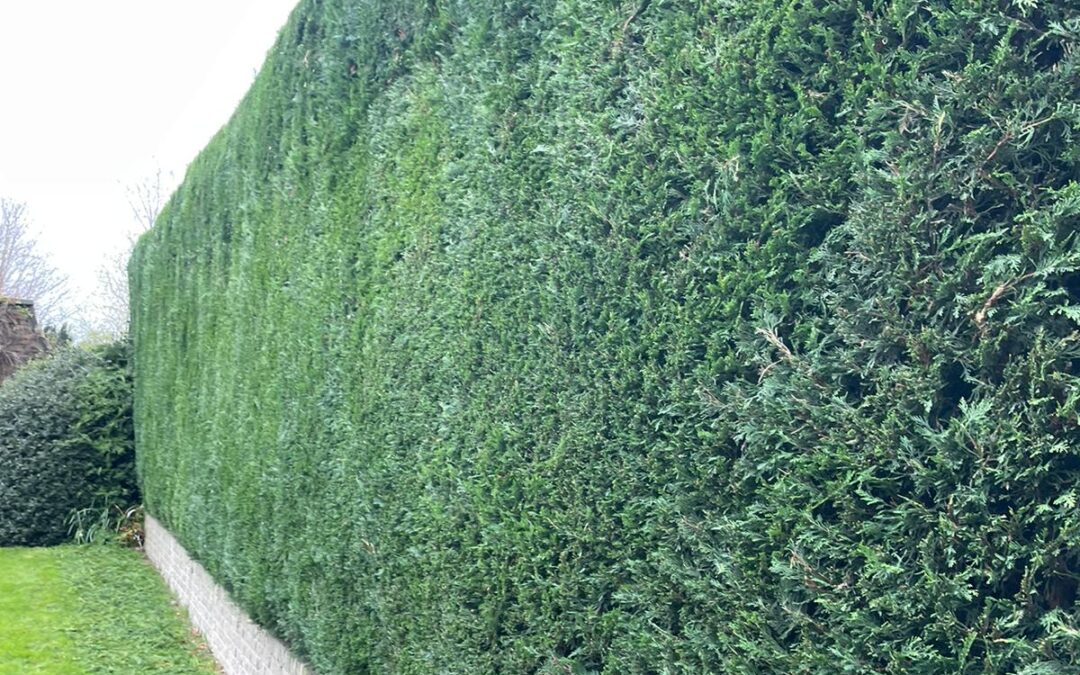
Hedge trimming in Doncaster is not merely a gardening task; it’s an art that enhances the aesthetic and health of your garden. Understanding the fundamentals of hedge trimming is crucial for achieving neat and healthy hedges. It starts with recognising the importance of regular maintenance. Trimming hedges not only keeps them in desirable shape but also encourages new growth, ensuring dense and vigorous bushes.
The basic technique involves cutting back overgrown branches and leaves to promote a more structured growth. It’s essential to use sharp blades to make clean cuts that heal quickly, preventing disease. The goal is to create a uniform appearance that complements the landscape of your Doncaster home, providing both privacy and beauty.
Moreover, mastering the basics includes timing your trimming sessions correctly. For most hedges in Doncaster, the ideal trimming period is late winter or early spring, before the growing season starts. This timing helps avoid stress on the plants and results in lush green growth during the spring and summer months.
Selection of Tools for Effective Trimming
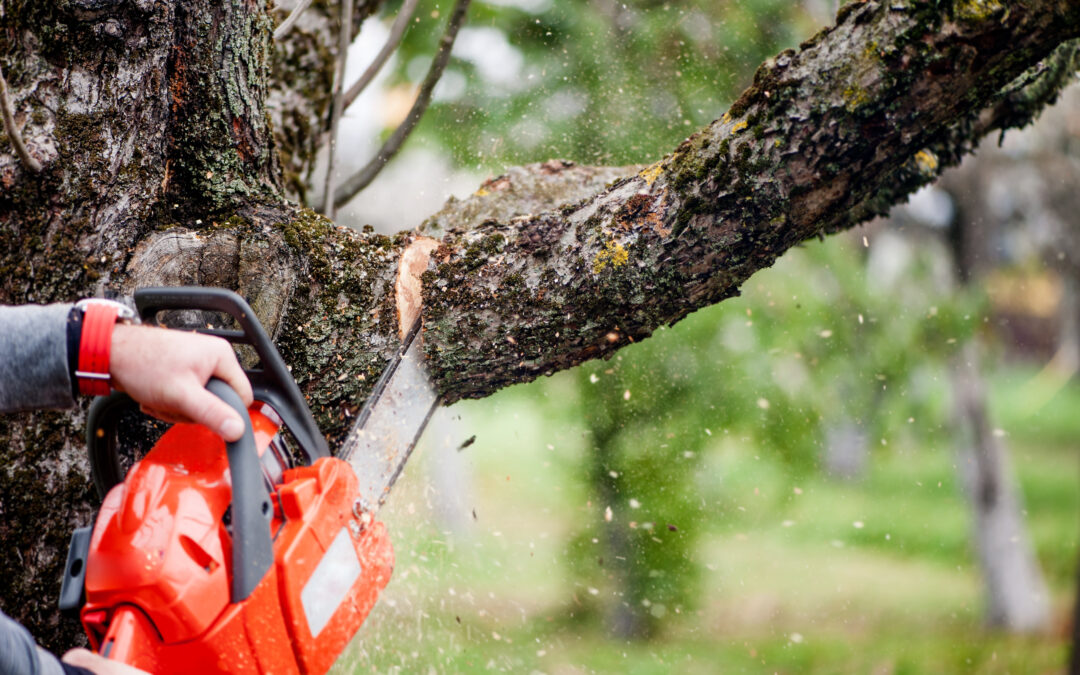
Choosing the right tools is pivotal for efficient hedge trimming. The primary tool for any gardener is a good pair of hedge trimmers. There are various types on the market, including manual shears, electric trimmers, and petrol-powered trimmers. Each type has its benefits; for instance, manual shears offer precision, electric trimmers provide convenience and ease of use, while petrol-powered trimmers are best for larger, more robust hedges.
For those hard-to-reach areas or significantly high hedges, long-reach or telescopic trimmers can be very useful. These tools allow you to trim at height without the need for a ladder, thus enhancing safety. Additionally, having a sturdy ladder and safety gear like gloves and goggles are essential to protect oneself during the trimming process.
It’s worth investing in tools that are ergonomically designed to reduce strain and increase efficiency. High-quality tools not only make the task easier but also provide a cleaner cut, which is healthier for your hedges. Regular maintenance of these tools ensures they remain sharp and effective, delivering excellent results every time.
Understanding Hedge Types in Doncaster
In Doncaster, a variety of hedges can be found, each with different care requirements and aesthetic values. Common hedge types include privet, beech, and hawthorn, each offering unique characteristics. Privet hedges are popular for their dense foliage and ability to withstand frequent trimming, making them ideal for formal garden designs. Beech hedges, on the other hand, are cherished for their beautiful seasonal colours.
Hawthorn hedges serve a dual purpose; they are decorative and provide excellent wildlife habitats. They bloom with attractive flowers in spring, followed by berries, offering food sources for birds. Understanding the specific growth patterns and needs of these hedges will guide the trimming process, helping to maintain their health and beauty.
Each hedge type responds differently to trimming, with some preferring minimal interference, while others thrive on more frequent maintenance. Recognising these nuances is key to effective hedge care in Doncaster’s varied climate and can significantly impact the overall health and longevity of your garden’s boundaries.
Techniques for Shaping and Pruning Hedges
Effective shaping and pruning of hedges require a blend of skill and creativity. The most common technique for shaping hedges is called ‘tapering’, which involves wider at the base and slightly tapering towards the top. This shape ensures that sunlight reaches the lower branches, promoting even growth and preventing bare patches.
Pruning, meanwhile, should be undertaken with the specific species in mind. For instance, flowering hedges like hawthorn should be pruned right after they bloom to shape them without sacrificing their flowers for the next season. Deciduous hedges are best pruned in the dormant season to stimulate robust new growth in spring.
Using the right technique not only enhances the visual appeal but also facilitates the healthy development of hedges. Regular and strategic pruning helps to eliminate diseased or pest-infested branches, promoting better air circulation and reducing the risk of further infestations.
Seasonal Care: Best Times to Trim in Doncaster
The timing of hedge trimming can greatly influence their health and appearance. In Doncaster, the general rule is to trim evergreen hedges during the late spring, after the risk of frost has passed but before the peak of summer. This timing helps the hedges recover and grow lushly throughout the warmer months.
Deciduous hedges, however, are best trimmed in the late winter, while they are dormant. This prevents sap loss and minimizes stress, allowing for vigorous spring growth. It’s also a good time to reshape the hedge, as the absence of leaves provides a clearer view of the structure.
Adhering to these seasonal guidelines ensures that each hedge type in Doncaster receives care appropriate to its growth cycle and environmental needs, thus maintaining its health and enhancing its ability to flourish year-round.
Common Mistakes to Avoid in Hedge Trimming
One of the most common mistakes in hedge trimming is overcutting. Removing too much growth in one go can stress the hedge and leave it vulnerable to diseases or pest invasions. It’s crucial to trim gradually, especially when reshaping hedges, to allow the plants to recover adequately between sessions.
Another frequent mistake is using blunt tools. This not only makes the task more challenging but can also cause bruising and tearing of the plant tissue, which can lead to disease and decay. Ensuring tools are sharp and clean before beginning the task is fundamental for the health of the hedges.
Timing is another area where mistakes are often made. Trimming hedges at the wrong time of year can lead to poor growth and may even jeopardize the survival of the plants. Knowing the optimal times for trimming, specific to the types of hedges in your garden, is essential for effective hedge care.
Enhancing Hedge Health with Proper Techniques
Proper trimming techniques not only improve the appearance of hedges but also enhance their health. By making clean cuts and avoiding over-trimming, you help the hedge maintain its strength and resilience against environmental stresses. This is particularly important in areas like Doncaster, where weather conditions can vary significantly.
Additionally, good trimming practices involve assessing the hedge for signs of pests or diseases before starting. Early detection and removal of affected areas can prevent the spread of issues, keeping the hedge robust and healthy. This proactive approach is vital for long-term hedge maintenance.
Fertilization and watering, when combined with correct trimming techniques, can significantly boost hedge health. Providing the right nutrients and moisture based on the specific needs of the hedge complements the physical maintenance with biological support, creating a thriving barrier for any property.
Advanced Trimming Strategies for Professionals
For professional gardeners and landscapers, advanced trimming strategies involve more than just the basic cuts. Techniques such as topiary involve intricate shaping and artistic designs, turning hedges into living sculptures. This requires precise tools, such as topiary shears and a detailed understanding of plant growth patterns.
Layering and pleaching are other advanced techniques used to create denser, more intricate hedge designs. These methods involve partially cutting through the stem to encourage branching at the cut point, which results in a fuller appearance. Such techniques are particularly useful in formal garden settings, where precision and design play a critical role in the overall aesthetic.
Finally, timing multiple trimming sessions throughout the growing season can help maintain the structure and density of the hedge. This advanced approach allows professionals to sculpt hedges meticulously, ensuring they remain both functional and visually appealing all year round.